
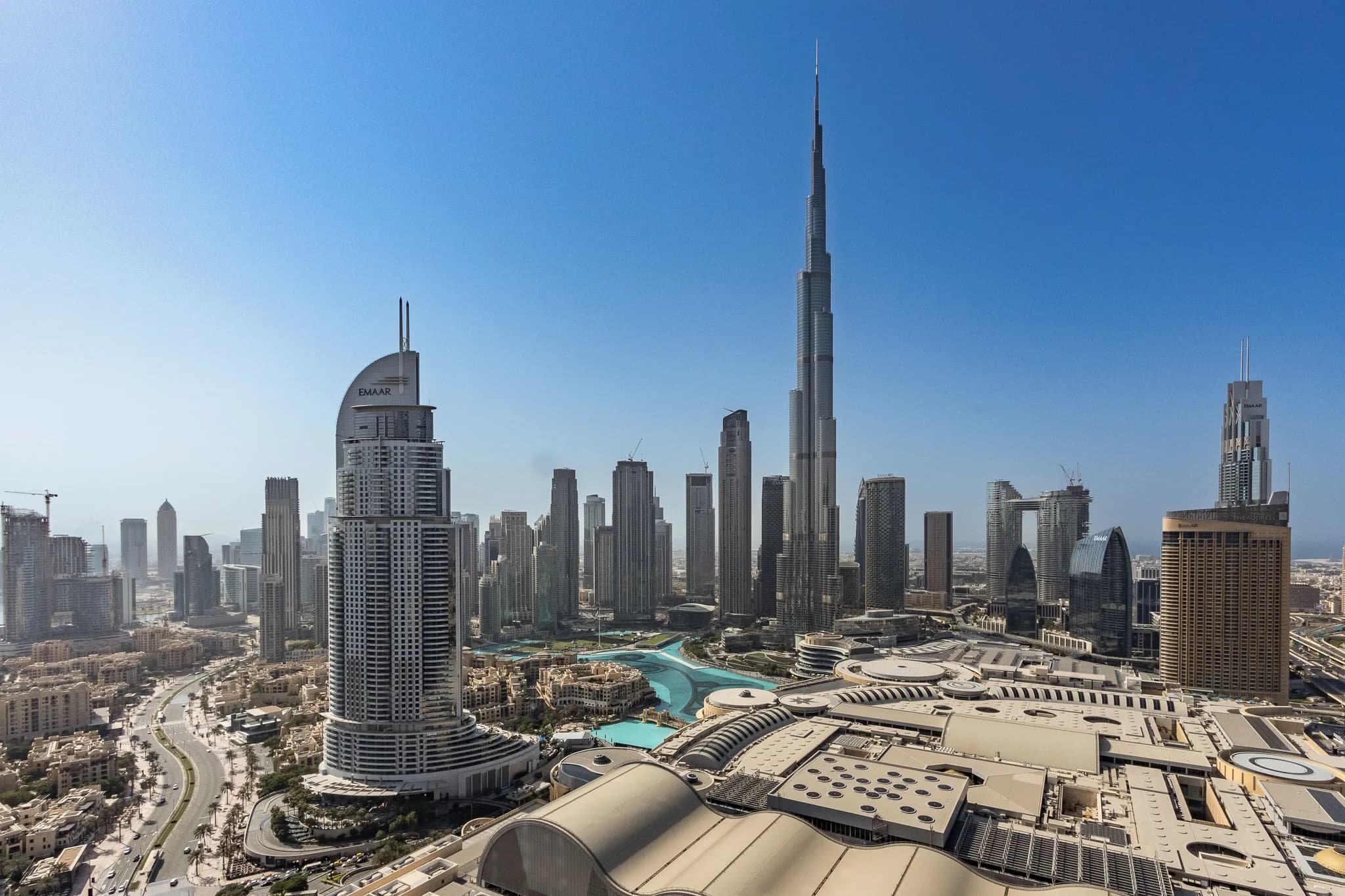
How to buy off-plan property in Dubai as a foreigner
A guide to buying property in Dubai, from choosing the right development to purchasing from abroad and preparing for handover.
Dubai has become an established destination for international property buyers, offering a wide choice of residential developments, a transparent registration framework and designated freehold areas where foreign nationals can own property. For overseas buyers, purchasing off-plan can be an opportunity to secure a property at an earlier stage of development, with payment plans that spread the cost over time.
However, buying a property before it is completed requires careful consideration. From checking a developer’s credentials and understanding the payment schedule to reviewing the Sale and Purchase Agreement (SPA), there are several steps to take before committing.
This guide explains how to buy off-plan property in Dubai as a foreigner, what to expect during the process and how much money you may need to get started.
Can foreigners buy property in Dubai?
Yes. Foreign nationals, including non-residents, can purchase property in designated freehold areas of Dubai. Ownership is not restricted to UAE residents, which means overseas buyers can invest in eligible developments without first obtaining a UAE residence visa.
Freehold ownership generally gives the buyer full ownership of the property and the right to sell, lease or transfer it, subject to the applicable regulations and registration requirements.
Before proceeding, confirm that the development is located in an area where foreign ownership is permitted and that the property can be registered in the buyer’s name with the Dubai Land Department (DLD).
How much money do you need to start?
The amount you need to buy an off-plan property in Dubai depends on the developer and the payment plan. Some developers ask for a 10% booking payment, while others may require 20% or more.
Apart from the booking payment, buyers should also budget for registration fees and other charges. Here are the main costs to consider.
Booking payment: Usually set by the developer. For example, 10% of a AED 1 million property is AED 100,000.
DLD registration fee: The standard property sale registration fee is 4% of the purchase price, with DLD's published fee schedule allocating 2% to the seller and 2% to the purchaser. However, the actual amount payable by the buyer should be confirmed against the SPA and agreed transaction terms. For budgeting purposes, buyers should account for the possibility of being responsible for the full 4%, depending on the arrangement.
Additional charges: Administrative and developer-related fees may also apply.
1. Set your budget and define your requirements
Start by establishing a realistic budget. Consider the full purchase price, the initial payment, DLD registration fees and any additional costs associated with the transaction.
It is also worth deciding how the property will be used. An overseas buyer purchasing a home for future personal use may have different priorities from someone investing for rental income or long-term capital appreciation.
Consider the following before shortlisting developments:
Preferred location and proximity to key areas of Dubai
Property type, size and number of bedrooms
Overall budget and available initial capital
Developer payment plans and instalment dates
Expected completion timeline
Potential rental demand and resale considerations
Having a clear set of requirements makes it easier to compare projects and assess whether a development aligns with your financial objectives.
2. Choose the right development and property adviser
Dubai offers off-plan developments across a range of locations, from established neighbourhoods to emerging waterfront and master-planned communities. Each area has its own characteristics, and the right choice will depend on your priorities.
Look beyond the launch price. Consider the developer’s track record, the project's location, the surrounding infrastructure, the proposed amenities and the expected delivery timeline. It is also useful to understand the wider supply of similar properties in the area.
Working with an experienced property adviser can help overseas buyers navigate the market, compare developments and understand the terms being offered. An adviser can also coordinate with the developer and relevant parties throughout the purchase process.
3. Verify the developer, project and escrow account
Before making a payment, carry out due diligence on both the developer and the development.
Check the developer’s previous projects, delivery history and reputation. Where possible, visit completed developments to assess the quality of construction and finishes. For a project that is still under construction, review the approved project information and available documentation.
Buyers should also confirm that the project is registered with the relevant authorities and that the required project escrow account is in place.
Dubai’s regulatory framework requires off-plan project payments to be made into the designated project escrow account. This account is intended to hold funds collected from buyers for the development and support the regulated construction process.
Always verify the official payment instructions directly with the developer. Do not transfer funds to an unrelated personal or third-party account.
While the escrow framework provides an important regulatory safeguard, it does not eliminate all risks associated with off-plan investments, including construction delays, changes in market conditions or differences between projected and actual property values.
4. Reserve your property
Once you have selected a property, the next step is to reserve it with the developer.
The reservation process usually involves selecting a specific unit, completing the required booking documentation and paying the initial deposit. The amount and payment deadline will depend on the project and the developer’s terms.
Before paying, make sure you understand:
The exact property being reserved, including its unit number and layout
The agreed purchase price
The booking amount and payment deadline
The subsequent instalment schedule
Any applicable fees and charges
The conditions relating to cancellation or changes to the reservation
Request written confirmation of the reservation and retain copies of all receipts and payment records.
5. Review the Sale and Purchase Agreement
The Sale and Purchase Agreement, commonly known as the SPA, sets out the contractual terms of the purchase. It is one of the most important documents in an off-plan transaction and should be reviewed carefully before signing.
The SPA generally outlines the property details, purchase price, payment schedule, anticipated completion date and the respective obligations of the buyer and developer.
Pay particular attention to:
The unit number, size, layout and specifications
The total purchase price and instalment schedule
The anticipated completion and handover provisions
The developer’s obligations and the buyer’s responsibilities
Any provisions relating to delays, amendments or cancellation
The terms governing default and late payments
The process for registering and transferring ownership
Buyers should not rely solely on brochures, sales presentations or verbal assurances. Where a feature, finish or specification is important to the purchase, check that it is reflected in the contractual documentation.
For additional clarity, consider having the agreement reviewed by a qualified legal professional familiar with UAE property transactions.
6. Understand DLD registration and Oqood
Off-plan property purchases in Dubai are recorded through the Dubai Land Department’s provisional registration system, commonly known as Oqood.
Once the relevant registration requirements have been completed, the buyer’s interest in the off-plan property is recorded with the DLD. This provides an official record of the transaction while the development is still under construction.
After the property is completed and the required handover and registration formalities have been fulfilled, the ownership registration can be finalised and a title deed issued.
Buyers should keep copies of their Oqood registration, SPA, payment receipts and other transaction documents. These records are important throughout the construction period and at handover.
Under the applicable registration requirements, the developer is responsible for registering the off-plan sale in the provisional register within 90 days of signing the contract. Buyers should request confirmation of their Oqood registration and retain the provisional registration certificate.
7. Buying property in Dubai from overseas
You do not necessarily need to be physically present in Dubai to purchase an off-plan property. Many developers and property advisers can coordinate much of the process remotely, allowing overseas buyers to review documentation, communicate with the sales team and make payments from abroad.
The exact process will depend on the developer, the buyer’s circumstances and the documents required. Identity verification, signing procedures and payment arrangements should be confirmed in advance.
Some transactions may be completed using a properly authorised Power of Attorney, subject to the relevant legal and registration requirements. If you are considering this route, obtain professional advice and confirm the required form and attestation process before proceeding.
For overseas buyers, it is particularly important to keep a clear record of all correspondence, signed documents and payments. Ensure that bank transfers are made only to verified accounts specified in the official transaction documentation.
8. Can foreigners and non-residents get a mortgage in Dubai?
Some UAE banks offer mortgage facilities to non-resident foreign buyers, subject to their individual eligibility criteria, income requirements and lending policies.
For off-plan purchases, UAE Central Bank regulations set a maximum loan-to-value ratio of 50%, regardless of the property's value, purpose or purchaser category. This represents the maximum permissible financing limit rather than a guaranteed borrowing entitlement.
In practice, not all banks finance off-plan developments, and lenders may impose additional conditions relating to the developer, project and construction stage. Overseas buyers should therefore confirm financing availability directly with their bank before committing to a purchase.
9. Keep track of payments and construction progress
After signing the SPA, the buyer is responsible for making payments according to the agreed schedule. Depending on the project, instalments may be linked to construction milestones, fixed dates or a combination of both.
Keep a record of every payment and request official receipts. It is also useful to monitor construction progress through developer updates and, where available, site visits or progress reports.
If you are based outside the UAE, your property adviser can help coordinate updates and communicate with the developer. However, always refer to official project communications and contractual documents when checking payment deadlines or construction milestones.
10. Inspect the property and complete the handover
As the development approaches completion, the developer will communicate the handover process and any outstanding requirements.
Before accepting the property, arrange an inspection to check the condition of the residence against the agreed specifications. Look for any defects, incomplete works or discrepancies that need to be addressed.
A snagging inspection can help identify issues before handover. Any findings should be documented and submitted to the developer in accordance with the applicable process.
Once the required payments, documentation and handover formalities have been completed, the final ownership registration can be processed and the title deed issued.
At this stage, buyers should also clarify service charges, utility connections, building management procedures and any requirements for leasing the property.
Explore off-plan opportunities in Dubai with John Taylor. Speak with our property experts for personalised guidance on available developments, payment plans and the buying process.
Parler à un spécialiste
Une question après cette lecture ?
Dites-nous ce que vous recherchez — un conseiller vous répondra personnellement.
Articles connexes
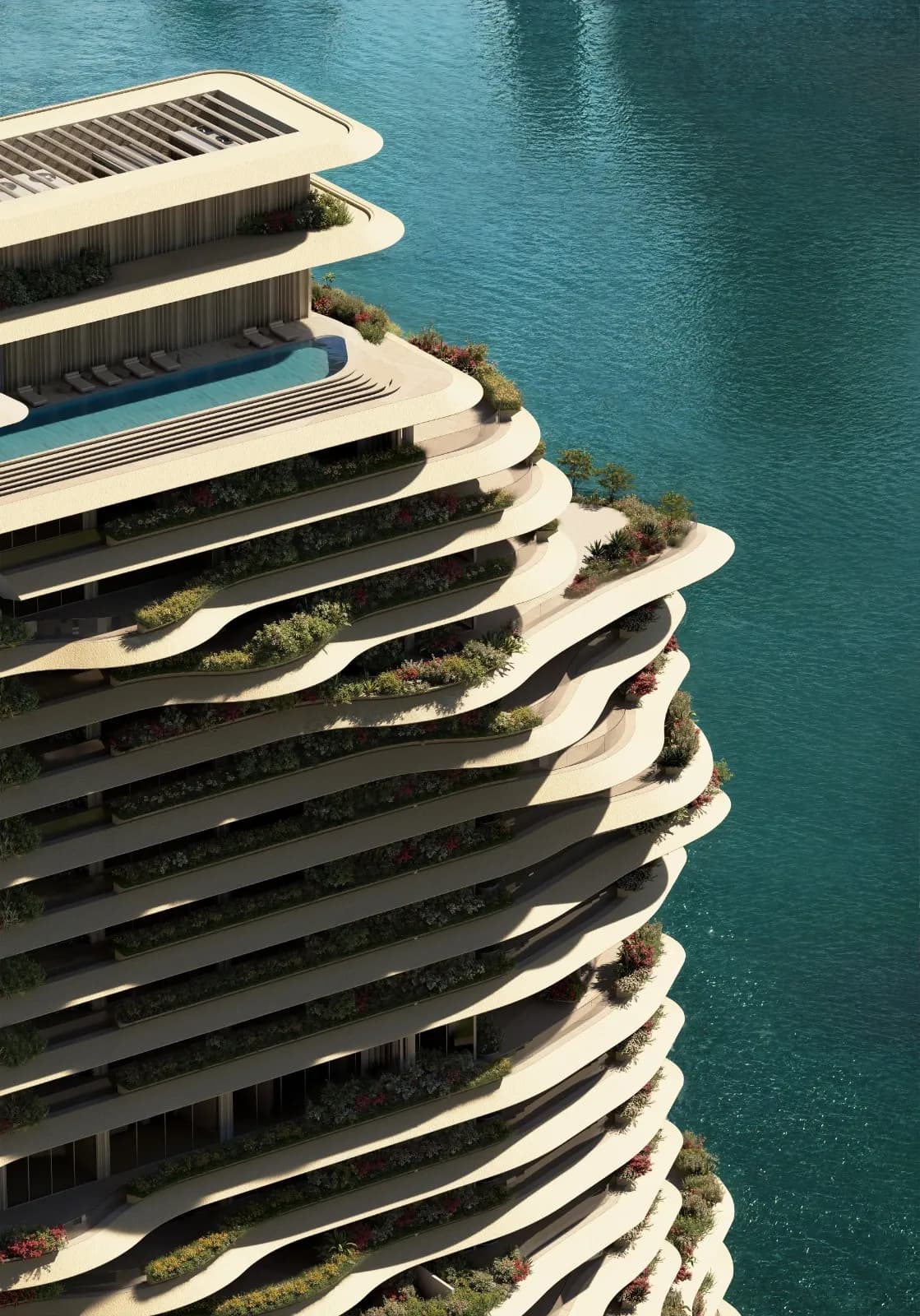
Inside Kengo Kuma's first UAE residence: The experiences of Wedyan
“Clients instantly recognise what they’re investing in - Passion, architecture, and a truly intergenerational 'trophy' asset. That’s the edge”
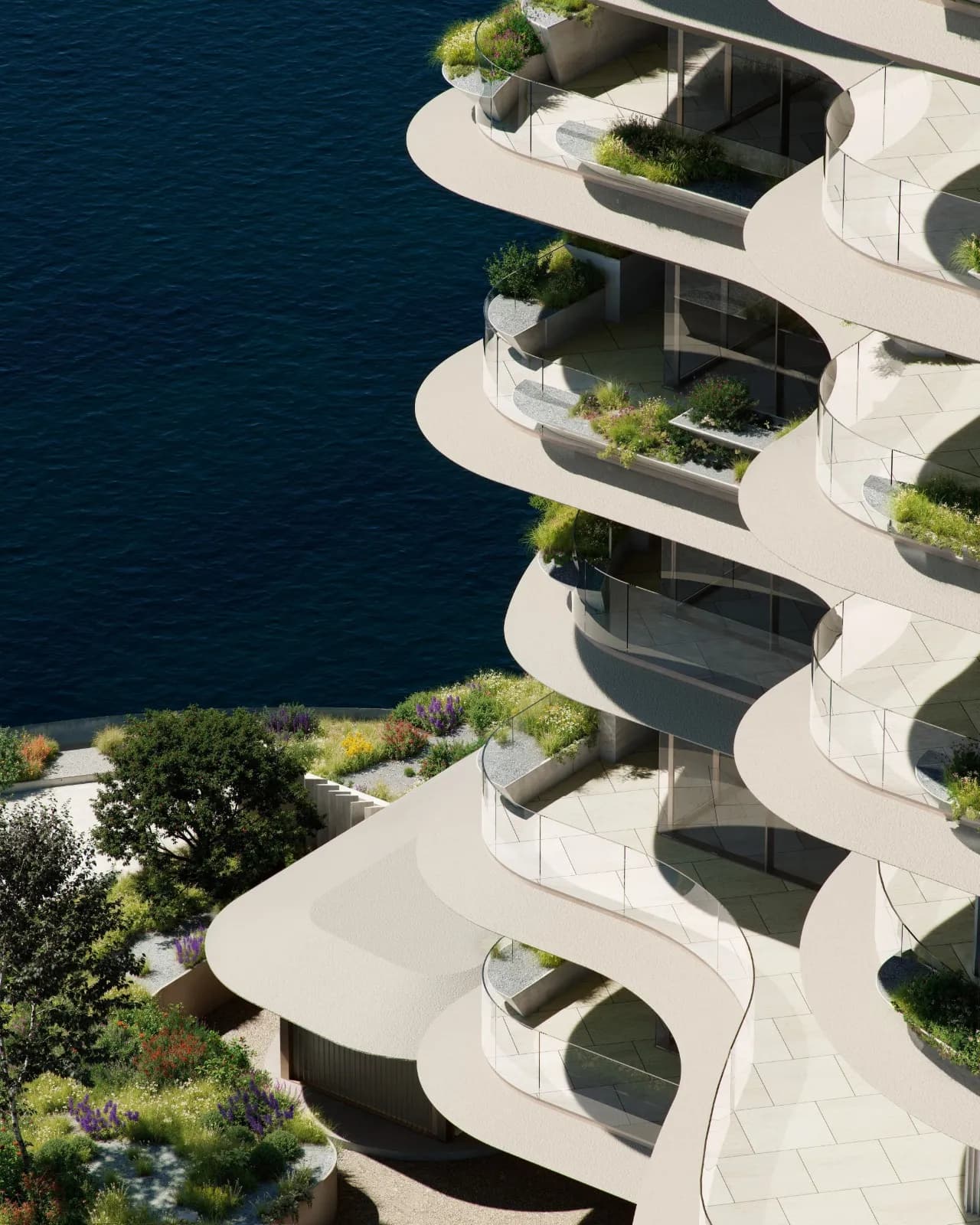
From Japan to Dubai: How Kengo Kuma brings his design language to the Gulf
At Wedyan, Al Ghurair Collection and Kengo Kuma make landscaping integral to the design from 'day one', creating a nature-led residential experience in the heart of Dubai

La perspective de John Taylor depuis les Émirats arabes unis : creuser sous la surface
La perspective de John Taylor depuis les Émirats arabes unis : creuser sous la surface